How Broadcast System Integrators Transform Media Production: Key Insights
Broadcast system integrators serve a critical function in the media production industry. They design and implement specialized broadcast systems that enhance collaboration and streamline workflows. By integrating advanced technologies, these experts not only improve operational efficiency but also improve the overall quality of content. As the media environment keeps evolving, appreciating how these integrators navigate new obstacles grows increasingly important for companies striving to excel. Which approaches are yielding the best results in this rapidly evolving field?
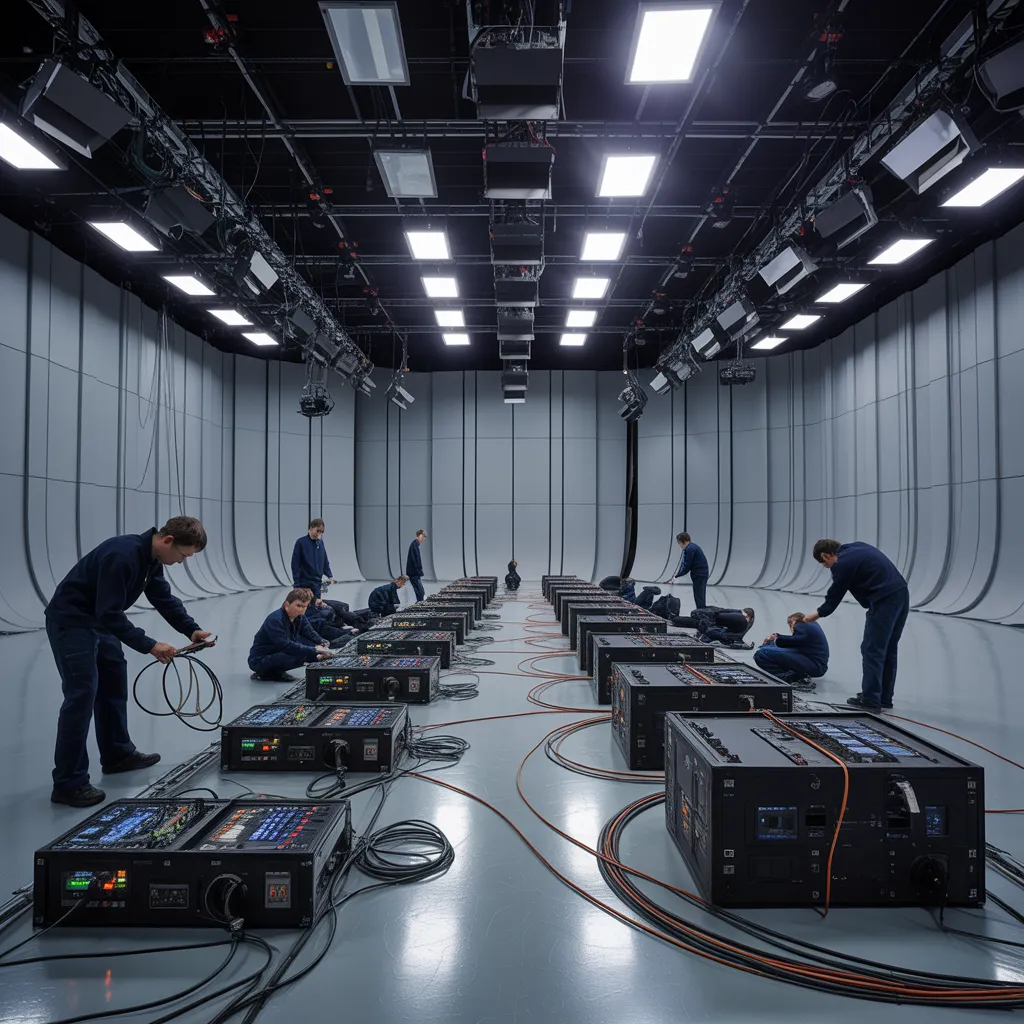
The Role of Broadcast System Integrators in Media Production
Broadcast system integrators play an essential role in media production by designing and implementing complex systems tailored to specific broadcasting needs. They analyze the specific demands of each assignment, guaranteeing that technical strategies complement creative aims. Through careful planning and execution, integrators optimize operational workflows, strengthen signal delivery, and optimize equipment integration.
Their proficiency covers a wide range of technical disciplines, including video production, sound engineering, and digital asset management. Through coordinating technical hardware and software systems, they establish cohesive environments that enable effective content development and distribution.
Additionally, broadcast system integrators offer consistent support and upkeep, making sure that systems remain functional and effective. They also stay updated on the latest industry trends and innovations, allowing clients to take advantage of the latest advancements in media technology. Ultimately, their efforts significantly influence the efficiency and quality of media production, allowing creative teams to focus on storytelling and audience engagement.
Enhancing Communication Across Creative Teams
Strong collaboration between creative teams is critical for successful media production. Broadcast system integrators play a significant role in this process by creating cohesive environments that foster communication and innovation. Through the design of integrated systems, they remove silos and enable real-time feedback among diverse teams, including writers, directors, and technical staff. This cohesive approach confirms that all contributors stay aligned with project goals, boosting overall productivity.
In addition, system integrators implement team-oriented workflows that allow for the effortless exchange of resources and ideas. By employing common platforms and tools, creative teams are able to access identical information, reducing misunderstandings and improving efficiency. These integrators further highlight the importance of adaptability, empowering teams to shift rapidly when faced with creative challenges. Ultimately, the role of broadcast system integrators in streamlining collaboration is vital in redefining the media production landscape, resulting in premium outputs that captivate audiences.
Critical Technologies for Collaborative Media Production
In the field of cooperative media development, critical technologies are instrumental in improving productivity and innovation. Cloud-powered collaborative platforms, instantaneous editing platforms, and distributed production systems are crucial in allowing teams to work seamlessly across various locations. Such advancements cultivate a more integrated and dynamic workflow, consistently improving the caliber of media productions.
Cloud-Based Collaboration Tools
A growing number of media production teams are embracing cloud-based collaboration tools to improve their processes and facilitate communication. These tools provide real-time file sharing, empowering team members to access and edit assets from any location. This versatility not only enhances performance but also stimulates creative thinking, as different contributors can participate at once, irrespective of physical location. In addition, cloud-based tools typically provide features like project tracking and version history, guaranteeing that stakeholders stay coordinated throughout each stage of production. As a result, the integration of these technologies not only reduces bottlenecks but also accelerates project timelines, establishing them as a vital part of today's media production approaches. Integrating cloud technologies is thus critical for maintaining a competitive edge in the modern media environment.
Real-Time Editing Solutions
Real-time editing platforms transform the media production collaboration landscape by empowering teams to work concurrently on projects from multiple locations. These platforms support real-time feedback and streamlined decision-making, considerably improving productivity and creative output. By permitting several users to access and edit material in real time, they eradicate the bottlenecks tied to traditional editing methods. Moreover, embedded tools such as version control and comment tracking confirm that all team members maintain alignment across the production cycle. This collaborative environment fosters innovation, as varied viewpoints can be integrated effortlessly. As a result, real-time editing platforms not only optimize workflows but also enhance the overall quality of media productions, making them indispensable tools for modern broadcast system integrators.
Distributed Production Technologies
Remote production technologies transform the landscape of collaborative media production by facilitating effortless communication and content distribution over great distances. These advancements, including cloud-based workflows and high-bandwidth connectivity, enable instant collaboration among teams situated across various geographic regions. By leveraging cutting-edge video compression and broadcasting methods, media professionals can effectively provide high-quality content without requiring on-site presence at production facilities. Additionally, tools such as remote camera control and virtual production environments allow teams to operate equipment and manage projects from anywhere. This flexibility not only reduces costs but also enhances creativity, as diverse talent can contribute to projects without logistical constraints. In the end, remote production innovations enable media companies to respond to shifting needs and elevate their creative capabilities.
Boosting Content Quality and Effectiveness
Within today's demanding media industry, optimizing content quality and productivity is vital for systems integrators in the broadcast sector. By utilizing cutting-edge technologies including artificial intelligence and automation, these professionals simplify production processes, enabling faster turnaround times while maintaining quality standards. Deploying cutting-edge editing software and cloud-based platforms empowers teams to communicate and coordinate effectively, irrespective of their geographic location, while continuously improving overall workflows.
Additionally, the incorporation of high-definition and cutting-edge formats enhances the viewer experience, making media content highly compelling. Routine upskilling and training of team members confirm that personnel continue to excel in the most current tools and methods, driving innovation in media production. Furthermore, robust quality control measures are established to maintain high standards throughout the production cycle. In the end, by concentrating on these methods, broadcast integration specialists not only boost the standard of content created but also advance comprehensive operational effectiveness, establishing a new standard in the field.
Adapting to Evolving Audience Demands
Moreover, the proliferation of on-demand content has prompted a change in production methods, prompting integrators to adopt innovative workflows that focus on accessibility and speed. Analyzing regional tastes and demographic shifts is critical for creating engaging and relevant content.
At the core of it all, through prioritizing audience involvement while leveraging innovative technology, media system integrators can improve viewer satisfaction and loyalty. This adaptability not only addresses existing demands but also enables organizations for sustainable growth in an growing competitive media environment.
Upcoming Innovations in Broadcast Integration
The trajectory of broadcast integration is poised for significant developments by means of cloud-based solutions, which offer increased scalability and flexibility. Rising innovations in artificial intelligence and automation are set to boost production effectiveness and tailor content experiences. Additionally, advanced remote collaboration solutions are set to transform cooperative work within the media industry, facilitating smooth collaboration and creative expression.
Progress in Cloud-Based Solutions
Reshaping the foundations of media production, cloud-driven solutions are swiftly evolving, enabling seamless integration and collaboration across various platforms. These innovations facilitate real-time access to resources, allowing teams to work simultaneously from different locations. Through the use of cloud technology, broadcasters are able to store and oversee massive quantities of data, improving overall workflow productivity. Greater scalability confirms that organizations can adjust to shifting requirements without substantial initial investments. Furthermore, cloud-based platforms enable premium video streaming and remote production functions, streamlining the content creation process. As these technologies keep advancing, they are poised to offer media professionals the adaptability and responsiveness required to address the ever-changing demands of the media industry, ultimately reshaping how content is produced and delivered.
Artificial Intelligence and Automation Trends
As cloud-based solutions continue to enhance collaboration in media production, the incorporation of AI and automation is poised to reshape operational efficiencies across broadcasting. These technologies streamline workflows by automating repetitive tasks such as video editing and content tagging, freeing creative teams to direct their efforts toward higher-value activities. AI-driven analytics provide insights into audience preferences, enabling more targeted content creation. Additionally, predictive maintenance powered by AI minimizes downtime in broadcasting equipment, ensuring smoother operations. The rise of machine learning algorithms further enhances content personalization, adapting broadcasts in real-time to viewer behavior. As these advancements mature, they are set to revolutionize the landscape of media production, ultimately cultivating more agile and responsive broadcasting environments.
Improved Remote Collaboration Solutions
Advancements in cutting-edge remote collaboration tools are transforming the broadcasting landscape, allowing teams to work seamlessly across geographical boundaries. These tools allow professionals to distribute high-resolution media streams, leverage unified resource libraries, and coordinate in real time, effectively optimizing production processes. Advances in cloud technology have enabled protected connectivity to content and tools, while comprehensive messaging solutions encourage immediate communication among production staff. Furthermore, extended reality platforms are developing, providing engaging environments for remote collaboration. As such innovations advance, they stand to elevate creative output, increase efficiency, and minimize overhead expenditures. AV integration experts are essential in deploying these technologies, guaranteeing that broadcast operations remains dynamic and efficient in an ever-expanding international landscape.
Popular Questions We Receive
What Methods Do Broadcast System Integrators Use to Ensure Data Security in Media Production
Broadcast systems integrators maintain data protection within media production environments through robust encryption, comprehensive access management, regular security audits, and extensive staff training. They implement recognized industry benchmarks and leading best practices to protect sensitive data from potential data breaches and unauthorized system access.
What Qualifications Do Broadcast System Integrators Typically Possess?
Integrators of broadcast systems typically possess qualifications in information technology, engineering, and media production. Numerous professionals maintain technology-specific certifications, along with significant project management experience, guaranteeing the seamless integration of complex broadcast systems and workflows.
How Do Costs Vary When Hiring a Broadcast System Integrator
Expenses for hiring a broadcast integration specialist can vary considerably based on the complexity of the project, the technology required, and geographic location. see here In most cases, fees extend from hourly rates to flat project costs, indicative of the integrator's skills and operational capacity.
What Are the Typical Challenges Encountered by Broadcast System Integrators?
Broadcast system integrators commonly face obstacles such as fast-changing technology, financial limitations, strict deadlines, along with the requirement for smooth collaboration across varied teams. These factors complicate project management and can impact overall production quality and efficiency.
How Do Broadcast System Integrators Assess the Success of Their Projects?
Systems integrators in broadcasting measure overall project performance via critical performance metrics, client fulfillment, staying within budget parameters, and project timelines. They also assess overall system performance, the end-user experience, and the comprehensive influence on operational efficiency and viewer engagement.